New in Neuroscience: Do neurons gradually ramp or instantly step to a decision?

New in Neuroscience: Do neurons gradually ramp or instantly step to a decision?

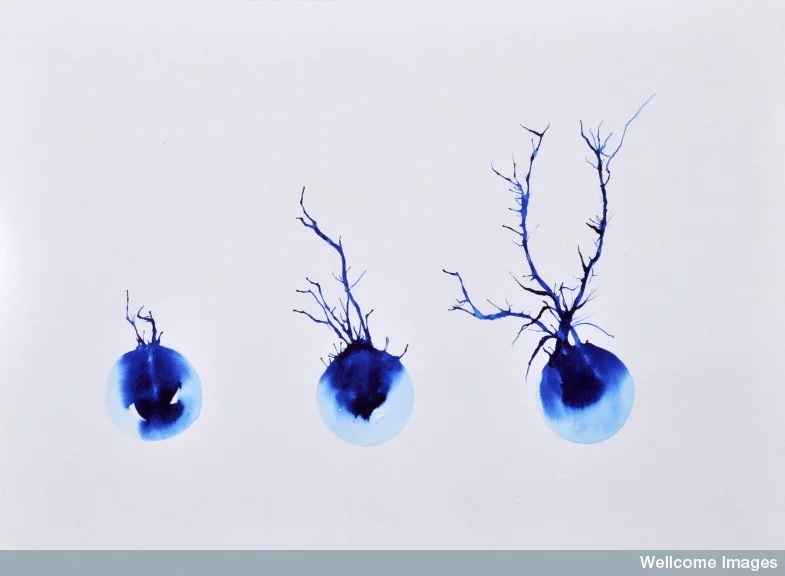
We make decisions from the moment we get up (what to eat for breakfast? what should I wear today?) until the moment we go to sleep (do I actually need to brush my teeth?). Decisions are important – some of them guide the course of our entire lives. How does our brain carry out this complex and highly important process?

Read More

Neurotalk Season 5 Episode 1: Jie Shen on Alzheimer's and Presenilins

Excited to present the first episode of the season!! In this episode, our guest is Jie Shen, a Professor of Neurology at Harvard Medical School. We speak with her about her education in China, figuring out your true love for science (even if you're not yet sure!), and the role of presenilins in Alzheimer’s disease.

Stick with us next week for an interview on decision making with Anne Churchland, Asst. Professor at CSHL.


Check out the latest podcast on communication and the brain from our friends at UCSF's Carry the One Radio!

Our friends at UCSF's Carry the One Radio have put together an awesome podcast, with a fresh new format.  The podcast team explores a single theme in Neuroscience, in this case, the brain and communication, and interviews three neuroscientists with diverse approaches to exploring this essential topic.  Check it out here:

Bite-sized Brain Science: The 30-Second Brain, reviewed

Bite-sized Brain Science: The 30-Second Brain, reviewed

How does the brain produce thought? Where is memory encoded in the brain? How do we reconstruct images in our brain?

These are some brain questions that fascinate my neighbor Rob, who has studied engineering and now works in photonics. He has no background in neuroscience, but wants to learn about it. Sure, he has the Internet, but it's really a jungle out there. I think a compact book is always a better map to begin exploring uncharted territory, so I suggested him to check out the 30-Second Brain. Although brief on content, it is a book with a wide and riveting helicopter view of neuroscience.

Read More

Concentrating to Jog Your Memory

Concentrating to Jog Your Memory

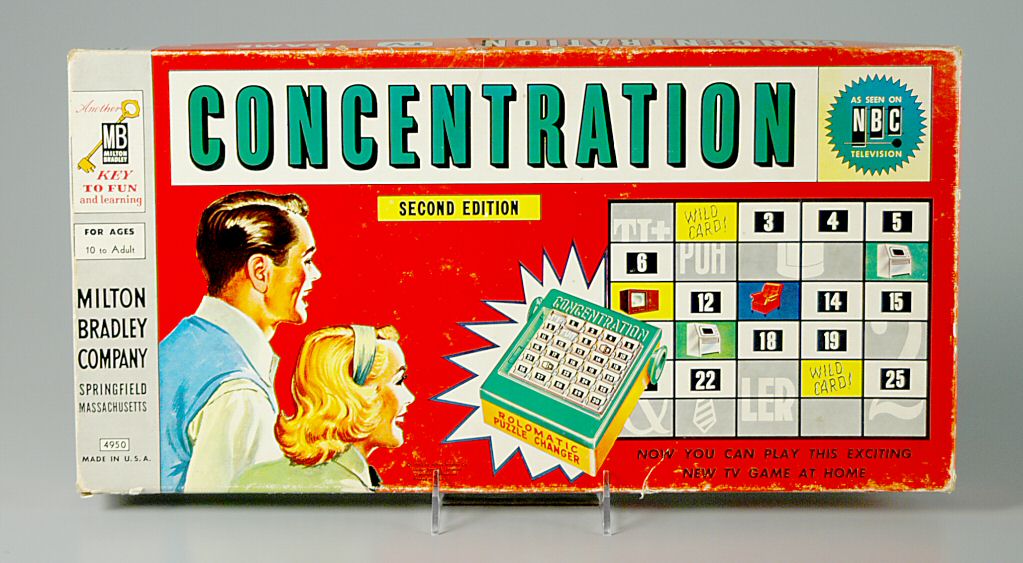
What are the brain mechanisms at work when playing the children's game "Concentration"? Do adults benefit from playing it?

Kids seem to remember the tiniest of details from everywhere. But as adults we’ve all had our blurry moments – when all that information gets lost in the jungle of neurons and refuses to leave the tip o’ the tongue, driving us a little crazy. Tinkering with memory using simple card games and extensive brain training has been under the lens lately. But could a game like Concentration help you concentrate? Let’s find out.

Read More

Can chewing gum improve my test scores?

Can chewing gum improve my test scores?

Does chewing gum help with memorization? Can chewing gum during a test improve your test scores?

Well ... maybe.

There is a strong effect of context on memory recall. You'll probably perform better on a test if you take it in the same room where you memorized the information included in the test. The same holds true for chomping on a stick of Juicy Fruit. ...

Read More

New in Neuroscience: Pericytes are Novel Players in Fueling the Brain

New in Neuroscience: Pericytes are Novel Players in Fueling the Brain

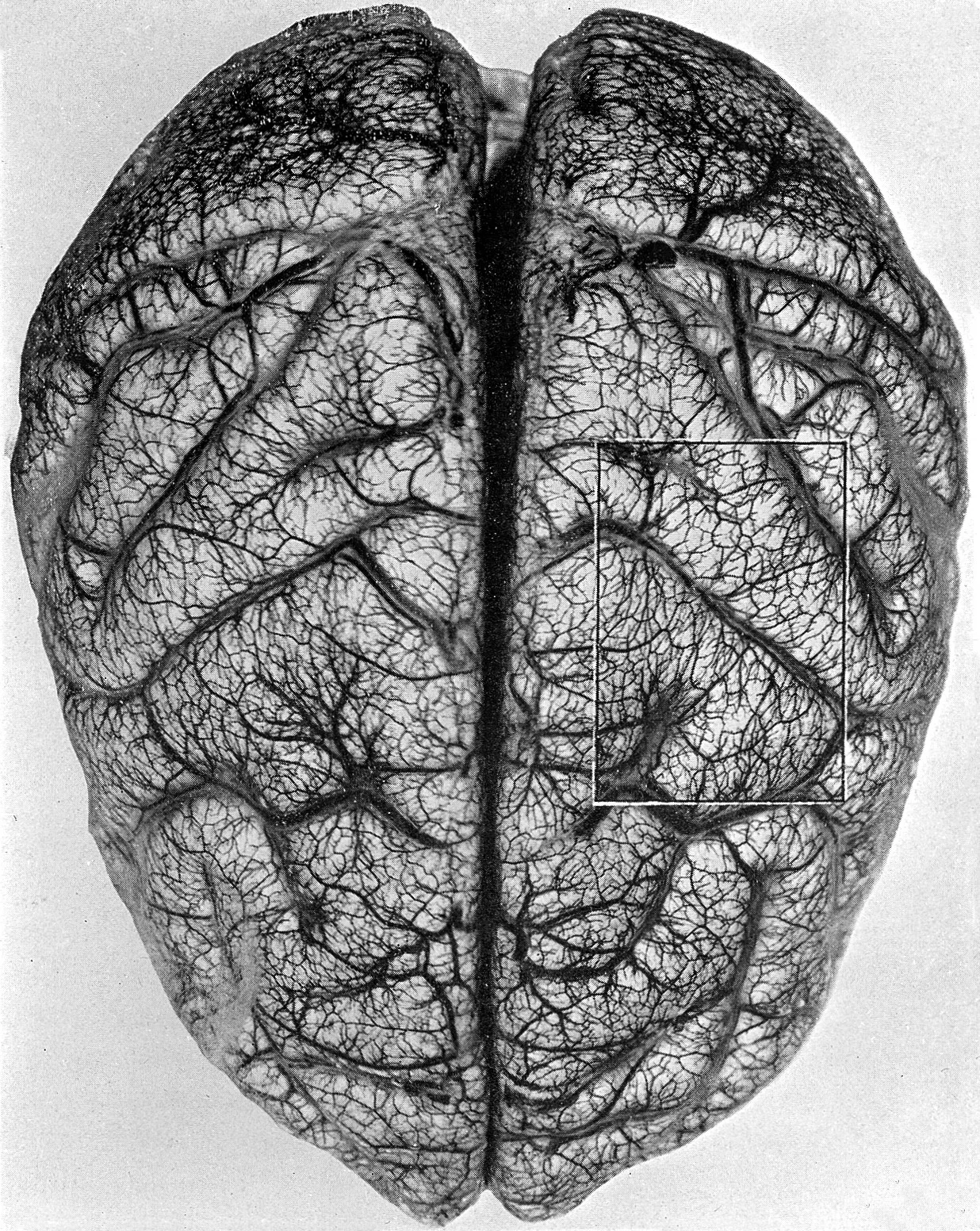
The brain is a gas-guzzler. Weighing in at only 2% of the mass of your body, the brain consumes over 20% of the body’s energy. The idea that high-activity regions of the brain need more blood is the principle behind human neuroimaging techniques like PET and MRI, but how do neurons ask for more blood when they need it?

Read More