Ph.D's in Press: anxiety, presynaptic scaffolding, epigenetics and more!

SNP-Logo-e1368051496475.png

Part 5 in an occasional feature, highlighting recently published articles featuring an author (or authors) who is a current member of the Stanford Neuroscience Ph.D program. (Part 1, Part 2Part 3, Part 4)* First off, 4th year student Sung-Yon Kim (Deisseroth lab) published his study of distinct subregions of the bed nucelus of the stria terminalis, demonstrating, using optogenetics that BNST neurons that project to distinct brain regions each implement independent features of anxiety. Additional Neuro PhD authors include: Christina Kim, Caitlin Mallory and Joanna Mattis.

Behavioural states in mammals, such as the anxious state, are characterized by several features that are coordinately regulated by diverse nervous system outputs, ranging from behavioural choice patterns to changes in physiology (in anxiety, exemplified respectively by risk-avoidance and respiratory rate alterations). Here we investigate if and how defined neural projections arising from a single coordinating brain region in mice could mediate diverse features of anxiety. Integrating behavioural assays, in vivo and in vitro electrophysiology, respiratory physiology and optogenetics, we identify a surprising new role for the bed nucleus of the stria terminalis (BNST) in the coordinated modulation of diverse anxiety features. First, two BNST subregions were unexpectedly found to exert opposite effects on the anxious state: oval BNST activity promoted several independent anxious state features, whereas anterodorsal BNST-associated activity exerted anxiolytic influence for the same features. Notably, we found that three distinct anterodorsal BNST efferent projections-to the lateral hypothalamus, parabrachial nucleus and ventral tegmental area-each implemented an independent feature of anxiolysis: reduced risk-avoidance, reduced respiratory rate, and increased positive valence, respectively. Furthermore, selective inhibition of corresponding circuit elements in freely moving mice showed opposing behavioural effects compared with excitation, and in vivo recordings during free behaviour showed native spiking patterns in anterodorsal BNST neurons that differentiated safe and anxiogenic environments. These results demonstrate that distinct BNST subregions exert opposite effects in modulating anxiety, establish separable anxiolytic roles for different anterodorsal BNST projections, and illustrate circuit mechanisms underlying selection of features for the assembly of the anxious state.

Kim et al (2013). Diverging neural pathways assemble a behavioural state from separable features in anxiety. Nature, 496(7444): 219-23.

Poh Hui Chia (Shen lab), who recently defended her thesis research, published her work on intramolecular regulation of presynaptic scaffold protein SYD-2/liprin-a.

SYD-2/liprin-α is a multi-domain protein that associates with and recruits multiple active zone molecules to form presynaptic specializations. Given SYD-2's critical role in synapse formation, its synaptogenic ability is likely tightly regulated. However, mechanisms that regulate SYD-2 function are poorly understood. In this study, we provide evidence that SYD-2's function may be regulated by interactions between its coiled-coil (CC) domains and sterile α-motif (SAM) domains. We show that the N-terminal CC domains are necessary and sufficient to assemble functional synapses while C-terminal SAM domains are not, suggesting that the CC domains are responsible for the synaptogenic activity of SYD-2. Surprisingly, syd-2 alleles with single amino acid mutations in the SAM domain show strong loss of function phenotypes, suggesting that SAM domains also play an important role in SYD-2's function. A previously characterized syd-2 gain-of-function mutation within the CC domains is epistatic to the loss-of-function mutations in the SAM domain. In addition, yeast two-hybrid analysis showed interactions between the CC and SAM domains. Thus, the data is consistent with a model where the SAM domains regulate the CC domain-dependent synaptogenic activity of SYD-2. Taken together, our study provides new mechanistic insights into how SYD-2's activity may be modulated to regulate synapse formation during development.

Chia et al (2013). Intramolecular regulation of presynaptic scaffold portein SYD-2/liprin-a. Molecular and Cellular Neuroscience, 56: 76-84.

In the category of reviews and commentaries, Jana Lim (Brunet lab) co-authored a review on transgenerational epigenetic inheritance.

It is textbook knowledge that inheritance of traits is governed by genetics, and that the epigenetic modifications an organism acquires are largely reset between generations. Recently, however, transgenerational epigenetic inheritance has emerged as a rapidly growing field, providing evidence suggesting that some epigenetic changes result in persistent phenotypes across generations. Here, we survey some of the most recent examples of transgenerational epigenetic inheritance in animals, ranging from Caenorhabditis elegans to humans, and describe approaches and limitations to studying this phenomenon. We also review the current body of evidence implicating chromatin modifications and RNA molecules in mechanisms underlying this unconventional mode of inheritance and discuss its evolutionary implications.

Lim and Brunet (2013). Bridging the transgenerational gap with epigenetic memory. Trends in Genetics, 29(3): 176-186.

Several Neuro PhD students were also second through n-th authors on papers. From the prolific Deisseroth lab, students Aslihan Selimeyoglu and Sung-Yon Kim are coauthors on a paper describing "a prefrontal cortex-brainstem neural projection that controls response to behavioral challenge".

The prefrontal cortex (PFC) is thought to participate in high-level control of the generation of behaviours (including the decision to execute actions1); indeed, imaging and lesion studies in human beings have revealed that PFC dysfunction can lead to either impulsive states with increased tendency to initiate action2, or to amotivational states characterized by symptoms such as reduced activity, hopelessness and depressed mood3. Considering the opposite valence of these two phenotypes as well as the broad complexity of other tasks attributed to PFC, we sought to elucidate the PFC circuitry that favours effortful behavioural responses to challenging situations. Here we develop and use a quantitative method for the continuous assessment and control of active response to a behavioural challenge, synchronized with single-unit electrophysiology and optogenetics in freely moving rats. In recording from the medial PFC (mPFC), we observed that many neurons were not simply movement-related in their spike-firing patterns but instead were selectively modulated from moment to moment, according to the animal’s decision to act in a challenging situation. Surprisingly, we next found that direct activation of principal neurons in the mPFC had no detectable causal effect on this behaviour. We tested whether this behaviour could be causally mediated by only a subclass of mPFC cells defined by specific downstream wiring. Indeed, by leveraging optogenetic projection-targeting to control cells with specific efferent wiring patterns, we found that selective activation of those mPFC cells projecting to the brainstem dorsal raphe nucleus (DRN), a serotonergic nucleus implicated in major depressive disorder4, induced a profound, rapid and reversible effect on selection of the active behavioural state. These results may be of importance in understanding the neural circuitry underlying normal and pathological patterns of action selection and motivation in behaviour.

Warden et al (2013). A prefrontal cortex-brainstem neuronal projection that controls response to behavioural challenge. Nature, 492 (428-432).

Also from the Deisseroth lab, Sung-Yon Kim, Kelly Zalocusky, Joanna Mattis and Logan Grosenick are all authors of the recently published article describing CLARITY, a novel method developed by lead author Kwanghun Chung for producing optically transparent tissue for the purpose of  tissue-intact imaging.

Obtaining high-resolution information from a complex system, while maintaining the global perspective needed to understand system function, represents a key challenge in biology. Here we address this challenge with a method (termed CLARITY) for the transformation of intact tissue into a nanoporous hydrogel-hybridized form (crosslinked to a three-dimensional network of hydrophilic polymers) that is fully assembled but optically transparent and macromolecule-permeable. Using mouse brains, we show intact-tissue imaging of long-range projections, local circuit wiring, cellular relationships, subcellular structures, protein complexes, nucleic acids and neurotransmitters. CLARITY also enables intact-tissue in situ hybridization, immunohistochemistry with multiple rounds of staining and de-staining in non-sectioned tissue, and antibody labelling throughout the intact adult mouse brain. Finally, we show that CLARITY enables fine structural analysis of clinical samples, including non-sectioned human tissue from a neuropsychiatric-disease setting, establishing a path for the transmutation of human tissue into a stable, intact and accessible form suitable for probing structural and molecular underpinnings of physiological function and disease.

Chung (2013). Structural and molecular interrogation of intact biological systems. Nature. doi:10.1038/nature12107

Georgia Panagiotakos is the second author on a paper published in PLOS One, showing the mechanisms underlying the production of the calcium channel associated transcriptional regulator (CCAT), which is encoded by the C-terminus of the voltage-gated calcium channel Cav1.2.

The C-terminus of the voltage-gated calcium channel Cav1.2 encodes a transcription factor, the calcium channel associated transcriptional regulator (CCAT), that regulates neurite extension and inhibits Cav1.2 expression. The mechanisms by which CCAT is generated in neurons and myocytes are poorly understood. Here we show that CCAT is produced by activation of a cryptic promoter in exon 46 of CACNA1C, the gene that encodes CaV1.2. Expression of CCAT is independent of Cav1.2 expression in neuroblastoma cells, in mice, and in human neurons derived from induced pluripotent stem cells (iPSCs), providing strong evidence that CCAT is not generated by cleavage of CaV1.2. Analysis of the transcriptional start sites in CACNA1C and immune-blotting for channel proteins indicate that multiple proteins are generated from the 3′ end of the CACNA1C gene. This study provides new insights into the regulation of CACNA1C, and provides an example of how exonic promoters contribute to the complexity of mammalian genomes.

Gomez-Ospina N, Panagiotakos G, Portmann T, Pasca SP, Rabah D, et al. (2013) A Promoter in the Coding Region of the Calcium Channel Gene CACNA1C Generates the Transcription Factor CCAT. PLoS ONE 8(4): e60526. doi:10.1371/journal.pone.0060526

Matt Figley (Gitler lab) is the third author on a paper in Nature Genetics, discussing the suppression of TDP-43 toxicity in ALS disease models by the inhibition of RNA lariat debranching enzyme.

Amyotrophic lateral sclerosis (ALS) is a devastating neurodegenerative disease primarily affecting motor neurons. Mutations in the gene encoding TDP-43 cause some forms of the disease, and cytoplasmic TDP-43 aggregates accumulate in degenerating neurons of most individuals with ALS. Thus, strategies aimed at targeting the toxicity of cytoplasmic TDP-43 aggregates may be effective. Here, we report results from two genome-wide loss-of-function TDP-43 toxicity suppressor screens in yeast. The strongest suppressor of TDP-43 toxicity was deletion of DBR1, which encodes an RNA lariat debranching enzyme. We show that, in the absence of Dbr1 enzymatic activity, intronic lariats accumulate in the cytoplasm and likely act as decoys to sequester TDP-43, preventing it from interfering with essential cellular RNAs and RNA-binding proteins. Knockdown of Dbr1 in a human neuronal cell line or in primary rat neurons is also sufficient to rescue TDP-43 toxicity. Our findings provide insight into TDP-43–mediated cytotoxicity and suggest that decreasing Dbr1 activity could be a potential therapeutic approach for ALS.

Armakola et al (2013). Inhibition of RNA lariat debranching enzyme suppresses TDP-43 toxicity in ALS disease models. Nature Genetics, 44: 1302-1309.

And lastly, Daniel Kimmel, together with first-author Michael Greicius, co-authored a review on neuroimaging insights into network-based neurodegeneration.

Purpose of review: Convergent evidence from a number of neuroscience disciplines supports the hypothesis that Alzheimer's disease and other neurodegenerative disorders progress along brain networks. This review considers the role of neuroimaging in strengthening the case for network-based neurodegeneration and elucidating potential mechanisms.

Recent findings: Advances in functional and structural MRI have recently enabled the delineation of multiple large-scale distributed brain networks. The application of these network-imaging modalities to neurodegenerative disease has shown that specific disorders appear to progress along specific networks. Recent work applying theoretical measures of network efficiency to in-vivo network imaging has allowed for the development and evaluation of models of disease spread along networks. Novel MRI acquisition and analysis methods are paving the way for in-vivo assessment of the layer-specific microcircuits first targeted by neurodegenerative diseases. These methodological advances coupled with large, longitudinal studies of subjects progressing from healthy aging into dementia will enable a detailed understanding of the seeding and spread of these disorders.

Summary: Neuroimaging has provided ample evidence that neurodegenerative disorders progress along brain networks, and is now beginning to elucidate how they do so.

Greicius and Kimmel (2012). Neuroimaging insights into network-based neurodegeneration. Current Opinion in Neurology. 25(6): 727-734.

*Regarding the mechanics of this feature: This is purely through the magic of an ongoing My NCBI search for the names of Neuro PhD students. I wouldn’t be surprised if there were some false negatives in the data set. Neuro students – let me know if I’ve missed your paper, and I’ll gladly add it.

Comment

Astra Bryant

Astra Bryant is a graduate of the Stanford Neuroscience PhD program in the labs of Drs. Eric Knudsen and John Huguenard. She used in vitro slice electrophysiology to study the cellular and synaptic mechanisms linking cholinergic signaling and gamma oscillations – two processes critical for the control of gaze and attention, which are disrupted in many psychiatric disorders. She is a senior editor and the webmaster of the NeuWrite West Neuroblog

How NOT to use a pipette (protip: pipette tips are a thing)

I can take a lot of pseudoscience in my television. That said, the following egregious misuse of a pipetter almost made me cry.

Ladies and Gentlemen, how NOT to use a pipette, brought to you by the the sci-fi show, Continuum:

Pipette_Misuse

Source: Continuum, Season 1, Episode 7

4 Comments

Astra Bryant

Astra Bryant is a graduate of the Stanford Neuroscience PhD program in the labs of Drs. Eric Knudsen and John Huguenard. She used in vitro slice electrophysiology to study the cellular and synaptic mechanisms linking cholinergic signaling and gamma oscillations – two processes critical for the control of gaze and attention, which are disrupted in many psychiatric disorders. She is a senior editor and the webmaster of the NeuWrite West Neuroblog

Linky and the Brain: April 30, 2013

Linky-and-the-Brain_small.png

Linky and the Brain_small We're doing some expanding here at the Neuroblog. In the next few months, readers will start to notice some new names at the top of posts. This expansion of our authorship is due to a newly formalized partnership with the Stanford-based science communication group NeuWrite West.

As part of this expansion, Nick Weiler and I will trade off authorship of a weekly feature, highlighting the science-related internet content that caught our eyes the previous week. I'd like to encourage folks out there to use the comments to jump in and share any items they enjoyed.

With this introduction, I'll debute entry #1 in our new link-sharing feature. 

Absolutely incredible slow-motion video of barn owl hunting

This came to my attention both via the internets and several folks who shared it with me on Facebook. A stunning video of a barn owl using an auditory cue to strike at prey. The video starts out with a side perspective, but keep watching past the first example as the video switches to showing a bottom up angle that highlights the view of the descending owl from the perspective of the prey. Looking at the focused gaze of the swooping owl, with its outstretched talons drawing inexorably closer, I realize its probably a blessing that mice can't see so well.

http://laughingsquid.com/barn-owl-attacking-its-prey-in-slow-motion/

Interested in the neural mechanisms of how barn owls localize sound? How maps of visual and auditory space are aligned in the barn owl brain to provide a neural substrate for the terrible precision of the bird's ability to locate prey? I'll direct the curious to the work of Mark Konishi (Caltech), as well as Eric Knudsen (Stanford, my graduate advisor, former postdoc of Konishi).

The Evolution of the Country Mouse and the City Mouse

As usual, Carl Zimmer shows science writers how its done in his post highlighting research into "urban evolution". In particular the work of Jason Munshi-South (Baruch College), who studies evolutionary trajectories of white footed-mouse populations in, and around, NYC.

http://phenomena.nationalgeographic.com/2013/04/29/the-evolution-of-the-country-mouse-and-the-city-mouse/

The art of the ambiguous conference poster abstract

In honor of the rapidly approaching SfN 2013 poster abstract deadline, Dr. Becca (@doc_becca) on writing an abstract in the absence of any data (original publication date, last year). A subject near and dear to my heart right now (damn you, preliminary data! I wish you were a fully-fleshed out scientific story already.)

http://scientopia.org/blogs/drbecca/2012/05/09/the-art-of-the-ambiguous-conference-poster-abstract/

U.S. Lawmaker Proposes New Criteria for Choosing NSF Grants

As a researcher personally funded by the NSF, this Science Insider news article gave me all sorts of feelings.

http://news.sciencemag.org/scienceinsider/2013/04/us-lawmaker-proposes-new-criteri-1.html?ref=hp

And some opposition to the proposed changes, from President Obama.

http://blogs.nature.com/news/2013/04/obama-calls-for-peer-review-autonomy.html?utm_source=dlvr.it&utm_medium=twitter

A Tale Of Mice And Medical Research, Wiped Out By A Superstorm

A more tragic topic - NPR covers the tragic losses suffered by Gord Fishell (and other researchers at NYU) when Superstorm Sandy caused flooding in an offsite animal facility.

http://www.npr.org/blogs/health/2013/04/26/178808079/a-tale-of-mice-and-medical-research-wiped-out-by-a-superstorm?ft=1

Battlestar Pedagogica: Using Science Fiction to teach Science!

http://blogs.plos.org/scied/2013/04/29/battlestar-pedagogica-using-science-fiction-to-teach-science/

As an avid science fiction reader (and BSG viewer), I enjoyed reading this post on using science fiction to teach scientific concepts in the classroom. In my experiences chatting about neuroscience with non-neuroscientists (especially my computer science friends), I've found referencing sci-fi concepts to be a remarkably useful way to a) capture attention/interest and b) generate fascinating and complex discussions of current neuroscience.

Isaac Asimov Memorial Debate.

Neil deGrasse Tyson moderates the Isaac Asimov Memorial Debate. This years topic: Nothingness. The panel: Lawrence Krauss (theoretical physics, ASU), J. Richard Gott (astrophysics, Princeton), veteran science journalists Jim Holt (science journalist) and Charles Seife (science journalist), and Eve Silverstein (physics, Stanford). (via io9)

http://io9.com/must-watch-neil-degrasse-tyson-moderates-a-debate-on-n-481003403

Academic Fraud, a profile of social psychologist Diederik Stapel in the NYTimes Magazine.

A long read from the NYTimes Magazine, on Dutch social psychologist Diederik Stapel who fabricated results in at least 55 of his published articles. Written by Yudhijit Bhattacharjee. (via Cori Bargmann, @betenoire1)

http://www.nytimes.com/2013/04/28/magazine/diederik-stapels-audacious-academic-fraud.html?pagewanted=1&_r=1&

Ending on a Happy Note: First Steps in Border Collie Sheepdog Training.

From the twitter account of @herdyshepherd1, training a border collie to herd sheep.

https://twitter.com/herdyshepherd1/status/328977686573756416

And that's all the links I've got for now folks. See you round the web. -Astra

So, it's mind control rodent army time at last, is it?

So, it's mind control rodent army time at last, is it?

When I first started graduate school, I told all my friends (most of whom were theater folk) that I was going off to become a neuroscientist so I could gather a great mind-control rodent army and thereby take over the world. Well, let's just say I had the normal graduate school experience and got distracted by the VERY early pilot testing phase of this project. (I study molecular differences between synapses.) But I am glad (and only a little jealous) to know that someone was getting busy while I was getting into microscopic esoterica.

Read More

Obama unveils BRAIN Initiative – to be helmed by Newsome and Bargmann

Obama unveils BRAIN Initiative – to be helmed by Newsome and Bargmann

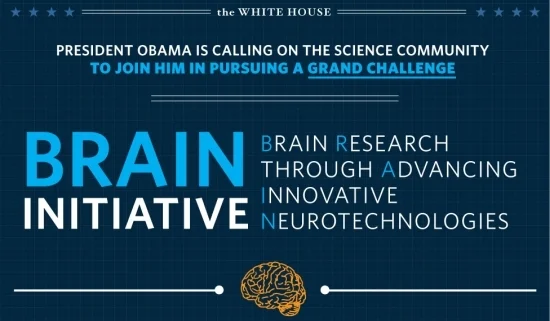
This morning, President Obama announced his highly anticipated and much debated new initiative for Brain Research Through Advancing Innovative Neurotechnologies (or BRAIN) to invest in "transformative" new technology that may one day allow neuroscience researchers to map the vast, dynamic patterns of brain activity with unprecedented detail.

Read More

Ph.D's in Press (January-February 2013)

SNP-Logo-e1368051496475.png

Part 4 in an occasional feature, highlighting recently published articles featuring an author (or authors) who is a current member of the Stanford Neuroscience Ph.D program. (Part 1, Part 2, Part 3)* Starting 2013 on a strong note, we have two papers with first authors from the Stanford Neuro PhD community. First, Logan Grosenick (Suppes and Deisseroth labs) presents new variants of the GraphNet fMRI analysis method.  Second, Jordan Nechvatal (Lyons lab) reviews brain imaging studies on the effect of stress exposure therapy for anxiety disorders (including phobias and PTSD).

Logan Grosenick

Grosenick, Klingenberg, Katovich, Knutson and Taylor. Interpretable whole-brain prediction analysis with GraphNet. Neuroimage, 2013 Jan 5. pii: S1053-8119(12)01248-7. doi: 10.1016/j.neuroimage.2012.12.062. [Epub ahead of print]. (Link)

Abstract: Multivariate machine learning methods are increasingly used to analyze neuroimaging data, often replacing more traditional "mass univariate" techniques that fit data one voxel at a time. In the functional magnetic resonance imaging (fMRI) literature, this has led to broad application of "off-the-shelf" classification and regression methods. These generic approaches allow investigators to use ready-made algorithms to accurately decode perceptual, cognitive, or behavioral states from distributed patterns of neural activity. However, when applied to correlated whole-brain fMRI data these methods suffer from coefficient instability, are sensitive to outliers, and yield dense solutions that are hard to interpret without arbitrary thresholding. Here, we develop variants of the Graph-constrained Elastic Net (GraphNet), a fast, whole-brain regression and classification method developed for spatially and temporally correlated data that automatically yields interpretable coefficient maps (Grosenick et al., 2009b). GraphNet methods yield sparse but structured solutions by combining structured graph constraints (based on knowledge about coefficient smoothness or connectivity) with a global sparsity-inducing prior that automatically selects important variables. Because GraphNet methods can efficiently fit regression or classification models to whole-brain, multiple time-point data sets and enhance classification accuracy relative to volume-of-interest (VOI) approaches, they eliminate the need for inherently biased VOI analyses and allow whole-brain fitting without the multiple comparison problems that plague mass univariate and roaming VOI ("searchlight") methods. As fMRI data are unlikely to be normally distributed, we (1) extend GraphNet to include robust loss functions that confer insensitivity to outliers, (2) equip them with "adaptive" penalties that asymptotically guarantee correct variable selection, and (3) develop a novel sparse structured Support Vector GraphNet classifier (SVGN). When applied to previously published data (Knutson et al., 2007), these efficient whole-brain methods significantly improved classification accuracy over previously reported VOI-based analyses on the same data (Grosenick et al., 2008; Knutson et al., 2007) while discovering task-related regions not documented in the original VOI approach. Critically, GraphNet estimates fit to the Knutson et al. (2007) data generalize well to out-of-sample data collected more than three years later on the same task but with different subjects and stimuli (Karmarkar et al., submitted for publication). By enabling robust and efficient selection of important voxels from whole-brain data taken over multiple time points (>100,000 "features"), these methods enable data-driven selection of brain areas that accurately predict single-trial behavior within and across individuals.

Jordan Nechvatal

Nechvatal and Lyons. Coping changes the brain. Front. Behav. Neurosci., 22 February 2013 | doi: 10.3389/fnbeh.2013.00013. (Link)

Abstract: One of the earliest and most consistent findings in behavioral neuroscience research is that learning changes the brain. Here we consider how learning as an aspect of coping in the context of stress exposure induces neuroadaptations that enhance emotion regulation and resilience. A systematic review of the literature identified 15 brain imaging studies in which humans with specific phobias or post-traumatic stress disorder (PTSD) were randomized to stress exposure therapies that diminished subsequent indications of anxiety. Most of these studies focused on functional changes in the amygdala and anterior corticolimbic brain circuits that control cognitive, motivational, and emotional aspects of physiology and behavior. Corresponding structural brain changes and the timing, frequency, and duration of stress exposure required to modify brain functions remain to be elucidated in future research. These studies will advance our understanding of coping as a learning process and provide mechanistic insights for the development of new interventions that promote stress coping skills.

*Regarding the mechanics of this feature: This is purely through the magic of an ongoing My NCBI search for the names of Neuro PhD students. I wouldn't be surprised if there were some false negatives in the data set. Neuro students - let me know if I've missed your paper, and I'll gladly add it.

Comment

Astra Bryant

Astra Bryant is a graduate of the Stanford Neuroscience PhD program in the labs of Drs. Eric Knudsen and John Huguenard. She used in vitro slice electrophysiology to study the cellular and synaptic mechanisms linking cholinergic signaling and gamma oscillations – two processes critical for the control of gaze and attention, which are disrupted in many psychiatric disorders. She is a senior editor and the webmaster of the NeuWrite West Neuroblog

Airplane Brain Quiz!

brainquiz.png

Here's a tidbit I feel like sharing: Yesterday, I was flying from LA to SF - the last leg of a excruciating 22-hour journey back home from Israel. During that 15 minute window before landing, when my kindle had to be turned off just in case its electric presence flummoxed my Southwest airplane, I flipped through the inflight magazine.

And found this gem of sort-of neuroscience: a Brain Quiz (aka an advert for something in a pill bottle called "AlphaBrain". The website for AlphaBrain is so full of dubious neuro-technobabble that I'm categorically refusing to provide a link.)

 2013-02-21 12.45.28

With a befuddlement mostly provided by substantial amounts of jetlag (still feeling it. woohoo), I stared longest at question 3:

2013-02-21 12.43.45

Ready for the answers? Curious which one of the rightmost boxes could possibly be the "most accurate association" with GABA (the major inhibitory neurotransmitter that is involved in just about everything)?

Here it goes.

Acetylcholine:

Mental speed, focus, memory. Commentary: Uh, I guess so. But maybe also muscle movements, seeing as how acetylcholine is THE transmitter at the neuromuscular junction. And I'm not too sure how what "mental speed" means, but acetylcholine is involved in attention, which I guess could work with the focus thing. And screwing with acetylcholine does affect learning/memory/plasticity, so I guess that's fine. Whatever.

Serotonin:

Positive mood. Commentary: Did you know that the vast majority of serotonin release is in the gastrointestinal tract, where it regulates intestinal movements? Mis-regulated intestinal movements sure leaves me in a bad mood. But sure, in the brain, release of serotonin does regulate mood. Drugs that increase serotonin levels in the brain are prescribed as antidepressants (e.g. selective serotonin re-uptake inhibitors, SSRI's), or used (and abused) as psychedelics (e.g. LSD, mescaline, MDMA).

Dopamine:

Coordination, pleasure, mental drive. Commentary: Pleasure? Ugh. Try "reward-driven learning". Does the coordination come from the loss of movement accompanying the death of dopaminergic neurons in Parkinson's disease? Not really a loss of coordination, so much as a categorical degeneration of motor control. "Mental drive" likely refers to the deficits in mental acuity, attention, and memory that accompany dopaminergic cell loss in Parkinson's. Also, reduced dopamine concentrations have been associated with ADHD, which could be characterized by less "mental drive". I guess. Maybe.

GABA:

Relaxation, sense of calm. Commentary: GABA, aka gamma-aminobutyric acid, aka the main inhibitory neurotransmitter in the CNS. It's diverse roles, reduced to the fact that many potent anesthetics are either GABA receptor agonists or positive modulators  (e.g. alcohol, valium). Oh well. Note: for those interested in the differences in GABAergic inhibition between awake and anesthetized states, I direct you to a great recent publication by Michael Hausser and Matteo Carandini. First author Bilal Halder shows that in the mouse visual system, synaptic inhibition was substantially stronger in awake animals, when compared with anesthetized animals. A fun finding, given the (radically oversimplified) hypothesis that anesthetics work by increasing inhibition within the CNS. Insert spirited discussion about the difference between general changes in GABAergic tone (produced by anesthetics) and temporally/spatially/neuron specific synaptic inhibition (observed in awake conditions, likely disrupted by anesthetics).

Citation: Halder, Hausser and Carandini (2013). "Inhibition dominates sensory responses in the awake cortex." Nature 492, 97-100. Link.

Comment /Source

Astra Bryant

Astra Bryant is a graduate of the Stanford Neuroscience PhD program in the labs of Drs. Eric Knudsen and John Huguenard. She used in vitro slice electrophysiology to study the cellular and synaptic mechanisms linking cholinergic signaling and gamma oscillations – two processes critical for the control of gaze and attention, which are disrupted in many psychiatric disorders. She is a senior editor and the webmaster of the NeuWrite West Neuroblog